In today’s fast-paced digital world, its not uncommon to feel like your mind is a bustling web browser, with countless tabs open at once. From unfinished emails and and research documents to never-ending to-do lists, this constant mental juggling can leave anyone feeling overwhelmed. If you’ve ever said, “my brain has 100 tabs open” feeling like chaos incarnate, your not alone. The **100 tabs open brain** phenomenon is a modern-day reality for knowledge workers, students, creatives, and multitaskers alike. In this article, we’ll dive into why our minds feel like browsers with 100 tabs open, explore the symptoms of **brain tab overload**, and provide actionable strategies for turning mental clutter into a productivity powerhouse.

Understanding the 100 Tabs Open Brain: Why Your Brain Feels Like Browser 100 Tabs Open
The concept of the **100 tabs open brain** is more than just a humerous metaphor—it’s a vivid representation of how modern life fragments our attention. When your **brain feels like browser 100 tabs open**, its juggling multiple streams of information simultaneously. Each “tab” in your mind represents a task, worry, or piece of knowledge, demanding cognitive resources. Think of it like your brain’s mental RAM being stretched thin; thin; the **mental RAM browser tab analogy** perfectly illustrates this strain.
This scenario is not uncommon in our hyperconnected world. Whether it’s the constant pings form social media, overlapping work projects, or personal responsibilities, your brain is bombarded with stimuli. This is where the **tab hoarder brain myth** comes into play—people often believe they can handle endless simultaneous tasks, but cognitive science shows that our attention is limited. The **ADHD brain 100 tabs tabs open analogy** is particularly striking: individuals with ADHD often experience rapid mental switching, leading to stress and reduced efficiency.
The consequences of this cognitive overload include fatigue, decision paralysis, and a decline in creativity. People report a persistent **“my brain has 100 tabs open” feeling**, where tasks linger unfinished, and the mind feels cluttered. Recognizing this pattern is the first step toward managing mental overload. By understanding the **brain like 100 open tabs stress**, you can start to implement strategies to regain focus and mental clarity, transforming your overloaded mind into a structured system for productivity.
Recognizing Brain Tab Overload Symptoms and the Mental Overload Open Tabs Metaphor
Before you can tackle the **brain tab overload symptoms**, yuo need to identify them. CLassic indicators include chronic distraction, forgetfulness, indecision, and the sensation that your mind is “overheating.” The **mental overload open tabs metaphor** is apt: just as a computer slows down when too many browser tabs are active, your mind struggles to function efficiently under cognitive load.
Physical and emotional signs often accompany this mental clutter. Headaches, tension, irritability, and even sleep disturbances can arise when your brain constantly switches between tasks. This overload is compounded by **digital distraction open tabs**—notifications, pop-ups, and constant digital interruptions act like additional mental tabs, demanding attention even when irrelevant.
Importantly, teh **too many open tabs productivity** problem isn’t just about distraction; it directly impacts your ability to prioritize and complete meaningful work. **Multitasking open tabs impact on brain** is well-documented: frequent context-switching depletes working memory and decision-making capacity. The result? TAsks take longer, errors increase, and motivation dips. REcognizing these symptoms is crucial to adopting strategies like **open tab management for brain clarity** and practicing intentional focus.
The metaphor of “mental tabs” provides a powerful visualization tool. It allows you to externalize your cognitive load and implement actionable steps, such as prioritizing key tasks or physically writing down mental “tabs” to declutter your brain. By acknowledging the signs of overload, you lay the groundwork for transforming chaos into a structured, productive mindset.
How Too Many Open Tabs Productivity and Multitasking Open Tabs Impact on Brain Reduce Focus
One of the biggest challenges of the **100 tabs open brain** is how **too many open tabs productivity** issues undermine focus. Each additional mental task consumes attention, resulting in diminished cognitive bandwidth. Studies show that multitasking significantly slows down problem-solving and increases error rates. This is precisely why the **multitasking open tabs impact on brain** can be so debilitating.
When your mind juggles multiple responsibilities simultaneously, the **browser tabs and mental clutter** accumulate, creating a feedback loop of stress. Even minor tasks that could have been completed quickly now feel monumental. The **brain tab overload symptoms** such as difficulty concentrating, forgetfulness, and indecision reflect this cognitive congestion.
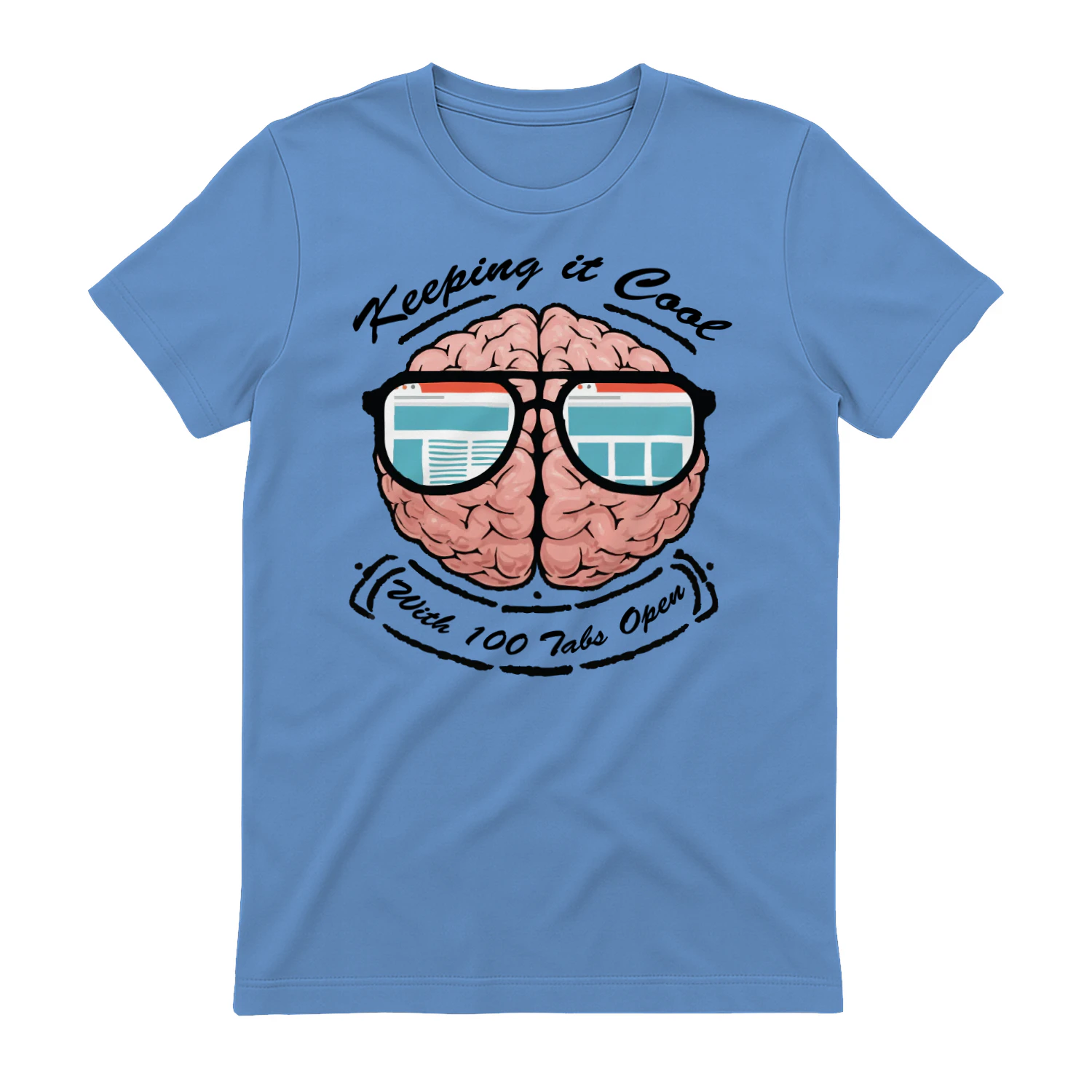
Addressing this requires both awareness and intentional strategies. Focusing on **focus with fewer open tabs**—whether by reducing digital distractions or compartmentalizing tasks—can dramatically improve cognitive performance. Recognizing that your brain behaves like a computer overloaded with tabs allows you to adopt **productivity tips fewer browser tabs**, transforming your mental environment into one optimized for efficiency and creativity.
Mastering How to Close Mental Tabs and Open Tab Management for Brain Clarity
Now that you understand the problem, the next step is mastering **how to close mental tabs**. This is an essential skill for anyone with a **100 tabs open brain**. Closing mental tabs involves identifying unresolved thoughts, prioritizing tasks, and implementing structured strategies to release cognitive load. Techniques such as task lists, scheduled thinking sessions, or digital tools like task managers can help declutter the mind.
**Open tab management for brain clarity** extends beyond simple organization. It’s about creating habits that prevent mental overload before it accumulates. This includes setting boundaries on multitasking, adopting single-task focus periods, and minimizing **browser tabs and mental clutter**. Even micro-practices, such as pausing before responding to emails or notifications, reduce the cognitive strain associated with **digital distraction open tabs**.
The **mental RAM browser tab analogy** is particularly useful here: just as a computer requires memory management, your brain benefits from deliberate mental compartmentalization. Techniques like the Pomodoro method or mind mapping help keep the brain structured and prevent the **“my brain has 100 tabs open” feeling** from becoming overwhelming.
By consistently practicing **how to close mental tabs**, you not only reduce stress but also enhance creativity, decision-making, and overall mental health. This approach transforms the **tab hoarder brain myth** into an actionable productivity model, demonstrating that even a highly active mind can function efficiently with the right strategies.
Transforming Browser Tabs and Mental Clutter into Productivity Tips with Fewer Browser Tabs
Finally, the goal is to transform the chaos of a **brain like 100 open tabs stress** into actionable **productivity tips fewer browser tabs**. Start by auditing your mental tasks and identifying which “tabs” are truly essential. Then, implement tools and habits to minimize unnecessary cognitive load. This could include digital minimalism, batching similer tasks, or using focus-enhancing techniques to maintain attention on priority projects.
Leveraging **organize open tabs and mind** strategies can also prevent recurring overload. Techniques such as journaling, task prioritization, or visual boards externalize your mental tabs, providing a tangible representation of tasks and reducing cognitive strain. For students or professionals, **ADHD brain 100 tabs open analogy** techniques, like structured checklists or time-blocking, can be particularly effective.
By practicing these methods, even chaotic mental habits—just as quirky analogies help in other creative contexts—can be channeled into productive outcomes. Sometimes, expressing your multifaceted personality through fashion can be therapeutic too. Explore how whimsical designs celebrate our complex minds in Why Every Cottagecore Fan Is Obsessed with the Frog and Mushroom T-Shirt Look and Cute Frog Prince Meets Kawaii: The Fairytale Graphic Tee Trend Taking Over Fashion!". You can transform **surviving brain tab overload** into a skill, allowing you to maintain high performance without burning out.
For more tools and strategies to boost youre focus and productivity.
Conclusion
The **100 tabs open brain** may feel overwhelming, chaotic, and stressful, but it doesnt have to control your life. By understanding how your brain functions under overload, recognizing **brain tab overload symptoms**, and implementing strategies to **close mental tabs** and reduce **browser tabs and mental clutter**, you can regain focus, clarity, and productivity. The key is intentionality: by transforming your mental habits, you can turn the **“my brain has 100 tabs open” feeling** into a **structured, efficient, and creative powerhouse**. WIth the right strategies, your mind can handle multiple challenges gracefully, making chaos your secret productivity tool.